
World Cup 2026 Fan Guide: Tickets, Travel and Matchday Tips


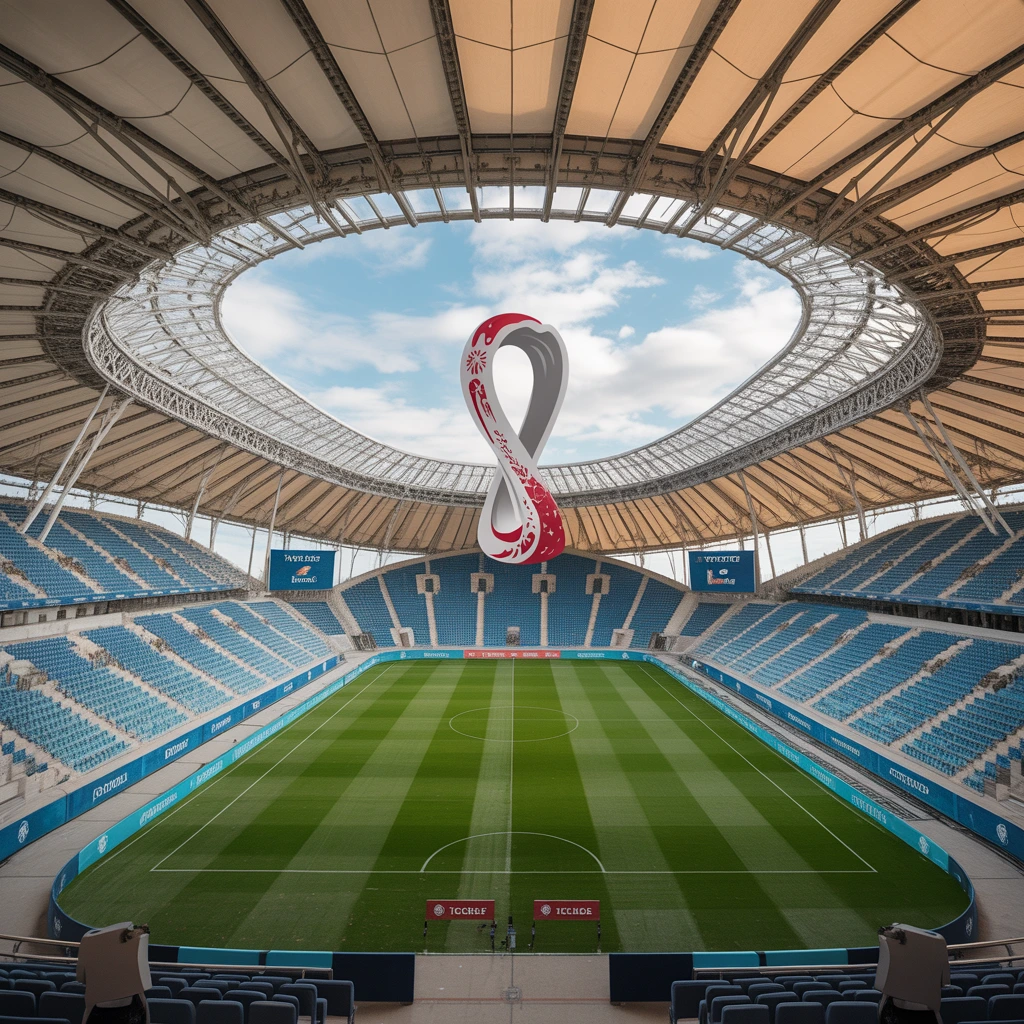
The 2026 World Cup is not a normal tournament trip. It is the biggest World Cup ever, with 48 teams, 104 matches and 16 host cities across the United States, Canada and Mexico. The tournament starts on June 11 and ends with the final on July 19, so fans are planning around more than a month of football, travel and matchday logistics.
That is what makes planning so important. You are not just choosing a match. You are choosing a city, a route, a ticket strategy, a hotel plan and, in some cases, entry rules for more than one country.
This guide breaks down the basics: how to start with the schedule, where to buy tickets, how to choose host cities, what to know about travel distances, and how to prepare for matchday without making the tournament more stressful than it needs to be.
Start With the Match Schedule
The first mistake is planning the trip before checking the fixtures.
Start with the World Cup 2026 schedule. Once you know the match dates, venues and possible team routes, it becomes much easier to decide where to stay and how much travel you actually want to handle.
This matters because the tournament is spread across North America. A fan who wants to watch two matches in the same region can build a clean trip. A fan who tries to jump between distant cities every few days may spend more time in airports than in stadiums.
Before booking anything, ask three simple questions:
- Which matches do I really want to attend?
- Are those matches in the same city or region?
- What happens if my team finishes first, second or third in the group?
The schedule should guide the trip. Not the other way around.
How to Buy World Cup 2026 Tickets
For tickets, the safest rule is simple: use FIFA’s official ticketing channels first.
FIFA’s Last-Minute Sales Phase began on April 1, 2026, with tickets made available to the general public on a first-come, first-served basis. FIFA later announced that tickets across all 104 matches would continue to be released as part of that phase.
That does not mean every match will be easy to buy. Demand can change quickly, especially for host nation games, knockout matches and fixtures involving Argentina, Brazil, England, France, Portugal or Mexico.
If you want the full buying process, pricing notes and resale advice, use the how to buy World Cup 2026 tickets guide. This fan guide should not replace that. The main point here is simpler: create your FIFA account early, check official availability first, and be careful with unofficial resale offers.
If a ticket deal looks too easy, too cheap or too rushed, slow down. World Cup tickets are high-demand digital assets, and scams become more common around major events.
Pick a Host City Before You Plan a Full Route
The best World Cup trip does not always mean visiting the most cities.
For many fans, the smarter move is choosing one base city or one region. That gives you less travel stress, more flexibility and a better chance to actually enjoy the tournament atmosphere.
Use the World Cup 2026 venues page to compare host cities and stadiums before making a route. Some fans will choose based on the team they follow. Others may choose based on weather, budget, direct flights, stadium access or how many nearby matches they can realistically attend.
A good base city can make the whole trip easier. You can settle in, learn the transport options, find fan zones and avoid packing your bag every two days.
That matters more in 2026 than in most tournaments because the geography is massive.
Do Not Underestimate Distances
This is the part that can catch international fans off guard: North America is huge.
A World Cup hosted across the United States, Canada and Mexico is not like a compact European tournament where you can move between many host cities by short train rides. Some routes will require flights. Others may involve long drives, border crossings or overnight planning.
That does not mean multi-city trips are a bad idea. They can be great. But they need to be realistic.
Instead of trying to see everything, think in regions:
- East Coast-style routes can work around cities like New York/New Jersey, Philadelphia and Boston.
- West Coast routes can make sense around Los Angeles, San Francisco Bay Area, Seattle and Vancouver.
- Texas and nearby southern routes may work better for fans focused on Dallas, Houston, Kansas City, Atlanta or Miami.
- Mexico-based trips can be great for fans focused on Mexico City, Guadalajara and Monterrey.
The exact route depends on tickets and budget, but the principle stays the same: group your matches when possible.
Check Visa and Entry Rules Early
A World Cup ticket does not automatically give you the right to enter the host country.
FIFA’s travel and visa information makes this clear: holding a World Cup 2026 ticket does not guarantee a visa or admission to Canada, Mexico or the United States. Fans still need to satisfy the entry requirements for the country or countries they plan to visit.
This is especially important if your trip crosses borders. Watching one match in the United States and another in Canada or Mexico may require different documents, depending on your passport.
For fans travelling to the United States who need a visa, FIFA PASS may help eligible ticket holders access priority visa interview appointments. FIFA describes it as a voluntary opt-in system for World Cup 2026 ticket holders travelling to the U.S.
Do not leave this part until the last minute. Flights and hotels can be changed. Visa problems are much harder to fix close to the tournament.
Book Flexible Hotels and Flights
Group-stage travel is easier to plan than knockout travel.
During the group stage, dates and venues are already known. If you are following one team, use the World Cup 2026 groups page to understand where that team starts and what its route could look like.
The knockout stage is different. You will not know exactly where a team goes until the group stage finishes. That is why flexibility matters.
If you are planning around a team rather than a city, refundable hotels and changeable flights can be worth the extra cost. They give you room to adjust if your team finishes in a different position than expected.
The worst plan is locking in a non-refundable route before you understand the bracket path.
Prepare for Weather and Stadium Conditions
World Cup 2026 will be played across very different climates.
Some host cities can be hot and humid in June and July. Others may have cooler evenings or indoor and retractable-roof stadium conditions. A matchday in Miami or Houston will not feel the same as a matchday in Vancouver or Seattle.
That means packing should match the city, not just the tournament.
Check the stadium and local weather before each match. Bring breathable clothing for hot cities, a portable charger for long matchdays, and enough water planning for fan zones and travel before kickoff.
Also check stadium rules before packing a bag. Each venue may have specific rules around bag size, prohibited items and entry procedures.
Use Groups to Follow Your Team’s Route
If you are travelling for one country, the groups page is your planning map.
The World Cup 2026 groups page shows where each team starts, who they face and how the group-stage path looks. That helps you understand which matches matter most and what could happen after the third group game.
For example, a team that wins its group may go one way in the bracket, while a runner-up may go somewhere completely different. A third-place finish can also create a less predictable route.
That is why fans should not only look at the first match. Look at the full group path, possible knockout dates and where the next game could be played.
Matchday Tips for Fans
Matchday is smoother when you prepare before leaving the hotel. A simple checklist helps:
- charge your phone fully;
- bring a power bank;
- load your ticket before travelling to the stadium;
- check the venue and gate information;
- confirm kickoff time in your local time zone;
- arrive early;
- check transport after the match;
- bring only what stadium rules allow;
- keep passport or ID requirements in mind if needed;
- avoid relying on random social media posts for timing.
Digital tickets make phones essential. Do not arrive at the stadium with low battery and no backup plan.
Also give yourself more time than usual. World Cup crowds move slowly, transport gets busy, and security checks can take longer than expected.
Final Fan Checklist
Before your World Cup trip, make sure the basics are covered:
- tickets bought through official or trusted channels;
- passport valid for travel;
- visa or entry rules checked;
- flights and hotels booked;
- schedule saved;
- group path reviewed;
- stadium and city checked;
- transport plan ready;
- ticket app working;
- matchday bag prepared.
That may sound simple, but simple planning matters at a tournament this large.
World Cup 2026 will be unforgettable for fans. The best way to enjoy it is to remove the avoidable stress before the first whistle.
FAQ
How do I buy World Cup 2026 tickets?
The safest option is to buy through FIFA’s official ticketing channels. For detailed buying steps, pricing notes and resale advice, check the how to buy World Cup 2026 tickets guide.
Where should I stay for World Cup 2026?
It depends on your tickets and travel style. Many fans should choose one base city or one region instead of trying to visit too many distant host cities.
Should I follow one team or choose one host city?
If you care most about one country, follow the team’s group path. If you care more about atmosphere and easier logistics, choose one host city and build your trip around nearby matches.
Do I need a visa for World Cup 2026?
It depends on your passport and which host country you visit. The United States, Canada and Mexico have separate entry rules, and a match ticket does not guarantee entry.
Can I attend matches in more than one country?
Yes, but you need to plan carefully. You may need different entry documents, extra travel time and flexible flights or hotels.
How early should I arrive at the stadium?
Arrive early enough to handle transport, crowds, security checks and mobile ticket access. For major matches, giving yourself extra time is much safer than cutting it close.
What should I bring on matchday?
Bring your phone with the ticket loaded, a power bank, ID if needed, weather-appropriate clothing and only items allowed by the stadium rules.
.webp)