
How Fantasy Football Transforms the World Cup Experience



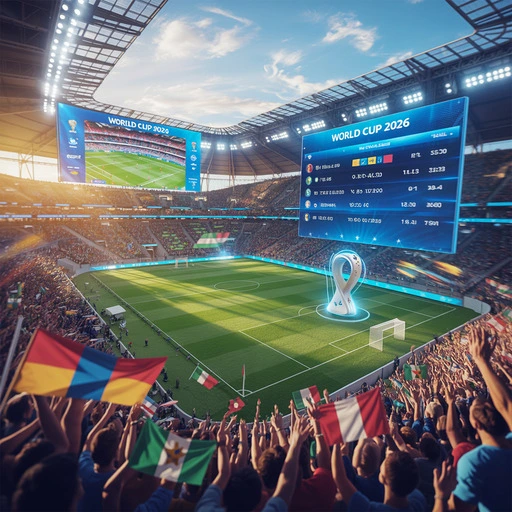
Fantasy football changes the way you watch the World Cup. Without it, most fans follow their country, a few big games and the knockout rounds. With fantasy, every match suddenly has a reason to matter.
A clean sheet in a quiet group-stage game matters. A penalty taker from a smaller team matters. A late substitution can ruin your captain pick. A defender losing a clean sheet in the 89th minute can hurt more than the actual result.
That is the power of fantasy football. It turns the World Cup from something you watch into something you manage. And with the 2026 tournament featuring 48 teams, 104 matches and three host countries, there will be more decisions, more players and more chaos than ever before. FIFA’s official schedule confirms the 104-match format across Canada, Mexico and the United States.
Fantasy Football Makes Every Match Matter
The biggest change fantasy football brings is simple: it gives you a reason to care about games you would normally skip.
A neutral group-stage match can suddenly become important because you have a goalkeeper chasing a clean sheet, a midfielder on set pieces or a striker you picked as a differential. You may not care who wins the group, but you definitely care if your defender gets booked after 20 minutes.
That changes the viewing experience completely. The World Cup stops being only about the biggest nations. Smaller matches become useful, tense and sometimes even more emotional than the obvious headline games.
Fantasy also makes you watch games differently. You notice who takes corners. You check whether a full-back is pushing high. You care about substitutions, injury time and whether a team keeps attacking after going 2-0 up.
That is where fantasy becomes addictive. It adds a second layer to the tournament without replacing the real one.
The 2026 World Cup Is Built for Fantasy
World Cup 2026 feels almost made for fantasy football.
There are more teams, more matches and more opportunities to find value. A 48-team field means managers will not only pick from the usual stars. There will be more under-the-radar forwards, budget defenders, starting goalkeepers and midfielders who can quietly bring points across the group stage.
The expanded format also adds a new Round of 32. That means the tournament winner will need to play eight matches instead of seven. For fantasy managers, that creates more chances to earn points, but also more rotation risk, more fatigue and more squad-management questions.
You cannot just pick the biggest names and relax. In a tournament this large, fixture timing, group difficulty and player minutes matter a lot.
You Start Watching Players, Not Just Teams
Fantasy football changes your focus from teams to roles. Before picking a player, you start asking different questions:
- Does he start every match?
- Is he on penalties?
- Does he take corners or free kicks?
- Can his team keep clean sheets?
- Is he likely to be substituted early?
- Does his group give him a good opening fixture?
That is why fantasy can make the World Cup feel deeper. You are no longer just watching France, Argentina, Brazil or England. You are watching how specific players are used inside those teams.
A famous name is not always the best fantasy pick. Sometimes the smarter choice is an attacking full-back, a set-piece midfielder or a striker from a team with a soft group-stage matchup.
Fixtures Become Strategy
In fantasy football, fixtures are not just dates. They are strategy.
A player’s value can change completely depending on the schedule. A forward facing a weaker defense in the opening match may be a better short-term pick than a bigger star with a tougher first game. A defender from a strong team can be worth targeting if the group gives them a realistic clean-sheet path.
That is why the World Cup 2026 schedule becomes one of the most important tools for fantasy managers. You need to know who plays first, who has the easier group-stage start and which matches may become rotation risks later.
The final group games are especially tricky. Some teams may already be qualified by matchday three. Others may need a win. That changes everything for fantasy.
A player who looks perfect on paper can become a bad pick if his team is likely to rest starters.
Groups Matter More Than Ever
The group draw is another fantasy tool.
The World Cup 2026 groups page helps you understand which teams have favorable paths, which groups look balanced and where the best value picks may come from.
For example, a favorite in a manageable group may offer clean-sheet potential, attacking upside and safer minutes. A dark horse in a difficult group may have exciting players, but fewer easy fantasy points. A team with one strong matchup and two hard games may be useful only for a short-term punt.
Groups also help with captain choices. If one star has a weaker opponent while another faces a top defensive side, the decision becomes less about reputation and more about matchup.
That is how good fantasy managers think. They do not just pick players. They pick situations.
Live Updates Change How You Watch
Fantasy football makes live updates feel personal.
A normal fan checks the score. A fantasy manager checks the scorer, the assist, the yellow card, the substitution and whether the clean sheet is still alive.
That is why real-time information matters. The FIFA World Cup 2026 app lists live data, standings, brackets, real-time notifications and fantasy football among its features.
During the tournament, this can change how you watch every match. A goal is not just a goal. It might be your captain. It might be your rival’s captain. It might also wipe out two defenders you trusted for clean-sheet points.
This is the emotional violence of fantasy football. You celebrate things you never expected to care about.
Captain Picks Create Their Own Drama
Captaincy is one of the best parts of fantasy football because it makes one decision feel huge.
Picking a captain is not only about choosing the best player. It is about choosing the right player in the right fixture. Form matters, but so do minutes, penalties, opponent strength and whether the team needs to push for goals.
The obvious names will always attract attention. Messi, Mbappé, Kane, Haaland, Vinícius Júnior and other stars will be popular picks. But captaincy is where risk enters the game.
Do you pick the safest star? Do you chase a big haul against a weaker opponent? Do you go for a differential while everyone else follows the crowd?
That single choice can change how you feel about an entire match.
Mini-Leagues Make the World Cup Social
Fantasy football also turns the World Cup into a social game.
A match between two teams you barely follow becomes part of your group chat. Someone’s defender loses a clean sheet. Someone forgets the deadline. Someone captains a player who starts on the bench. Suddenly, the whole game has drama before the first goal is even scored.
Mini-leagues are where fantasy becomes more than points. They create arguments, jokes, bad decisions and small rivalries that last the whole tournament.
That is especially true during the World Cup because everyone is watching the same event at the same time. Friends, coworkers, family members and football chats can all play along, even if they do not follow the same clubs during the regular season.
Fantasy gives the tournament another scoreboard.
Common Mistakes Fantasy Managers Make
Most fantasy mistakes come from treating the World Cup like club football.
The tournament is shorter, faster and less forgiving. One wrong captain pick or one missed deadline can hurt badly. The most common mistakes are:
- picking only famous players;
- ignoring the group-stage schedule;
- forgetting lineup deadlines;
- choosing players who may not start;
- overloading one team too early;
- ignoring defenders and goalkeepers;
- forgetting that final group games can bring rotation.
The best fantasy managers usually keep things simple. They pick starters, study fixtures, watch team news and avoid emotional decisions.
That does not guarantee success, but it stops you from losing because of avoidable mistakes.
How to Prepare Before the Tournament Starts
The best time to prepare is before the first match kicks off. Start with the full schedule. Then check the groups. Look at which teams have easier opening games, which favorites may rotate, and which players are likely to take penalties or set pieces. A simple preparation list looks like this:
- check the World Cup 2026 schedule;
- review the World Cup 2026 groups;
- identify likely starters;
- track penalty takers and set-piece takers;
- follow injury news before deadlines;
- set reminders for key lineup windows;
- avoid building your whole team around reputation alone.
You do not need to overcomplicate it. Fantasy is more fun when you understand the structure before the chaos starts.
Final Thought
Fantasy football does not replace the World Cup. It makes the tournament feel closer. You still care about the goals, the drama, the upsets and the trophy. But now you also care about minutes, assists, clean sheets and one midfielder from a team you barely watched before the tournament.
That is why fantasy works so well at a World Cup. It makes every match feel connected to your own tournament. World Cup 2026 will be huge. Fantasy football gives you a way to feel involved in all of it.
FAQ
What is World Cup fantasy football?
World Cup fantasy football is a game where fans build a squad of real tournament players and earn points based on their performances, such as goals, assists, clean sheets and other match actions.
Will there be fantasy football for World Cup 2026?
Yes. The FIFA World Cup 2026 app lists fantasy football, Bracket Challenge and Predictor games among its features.
How does fantasy football change the World Cup experience?
Fantasy football makes more matches feel important. Fans start watching lineups, fixtures, player roles, clean sheets, captain picks and live updates, not just final scores.
What should I check before picking a fantasy team?
Check fixtures, groups, player minutes, injury news, penalty takers, set-piece takers and likely starting lineups before choosing your team.
Are World Cup groups important for fantasy football?
Yes. Groups help fantasy managers judge fixture difficulty, clean-sheet potential, rotation risk and which players may have the best early matchups.
Why do captain picks matter in fantasy football?
Captain picks usually carry extra value, so choosing the right captain can decide a fantasy round. Fixture difficulty, form, penalties and expected minutes all matter.
How can I track players during World Cup 2026?
Use the World Cup 2026 schedule for fixtures, the World Cup 2026 groups page for team paths, and live updates or notifications to follow lineups, goals, assists and substitutions.
.webp)